
A lehenga choli is the outfit most people save for the moments that matter most — weddings, sangeets, festival celebrations, and the kind of milestone events where you want to look unmistakably dressed up. This collection is built around that expectation, with pieces ranging from richly worked bridal-adjacent silhouettes to lighter festive sets you can wear more than once a season.
Fabric drives most of the character here. Velvet lehengas carry weight and structure, ideal for winter weddings and sangeet functions where you want the skirt to hold its flare through an evening of dancing. Net and georgette lehengas move more freely and layer well, suited to daytime functions or warmer climates where a heavier fabric would be impractical. Raw silk sits in between — structured enough for a formal look, light enough to wear through a multi-hour event without fatigue.
The embellishment styles across this collection — zariwork, mirrorwork, cutdana, sequins, stonework, and threadwork — each read differently under different lighting. Mirrorwork and sequins catch artificial light dramatically, which makes them strong choices for evening receptions and sangeet functions held indoors or after dark. Zariwork and threadwork have a more subtle sheen suited to daytime or outdoor ceremonies where you want richness without excess sparkle. If you’re shopping for a specific event, think about when and where it’s happening before you commit to an embellishment style — the same lehenga can look either understated or overwhelming depending on the lighting it’s worn in.
Colour choice matters for practical reasons beyond personal preference. Deep jewel tones — royal blue, purple, red — tend to photograph better in both daylight and flash photography, which is worth considering given how many wedding-season events are documented on camera. Yellow and lighter tones work well for daytime mehendi or haldi functions where the mood calls for something brighter and less formal than the main ceremony outfit.
Fit is the area where a lehenga most commonly goes wrong for first-time buyers. The skirt should sit at the natural waist or slightly below, with enough room in the waistband to sit comfortably for an extended period — most events involve hours of sitting, eating, and standing, and a too-tight waistband will make itself known well before the evening ends. The choli should allow full arm movement without pulling at the underarm, since dancing and photographs both require a genuine range of motion. Where possible, check both waist and bust measurements against our size chart rather than choosing by standard size labels, since embellished cholis in particular run differently across styles.
Because these are occasion pieces, care matters more than with everyday wear. Store lehengas hung where possible to avoid crushing embellishment, or laid flat with the skirt gently folded and padded with tissue paper at the fold lines. Dry cleaning only — the embellishment on pieces with mirrorwork, cutdana, or sequins will not survive a washing machine. Keep original packaging or a breathable garment bag for storage between wears, since these pieces are often revisited for more than one event.
This collection is organised so you can shop the way you actually plan for events — by fabric weight if you know your venue and season, or by embellishment style if you know the time of day and lighting. Whichever piece you choose, it’s been selected for the combination that actually matters at a real event: a silhouette that photographs beautifully and a construction that holds up through hours of wear.
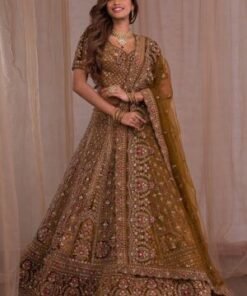
Lehenga Choli
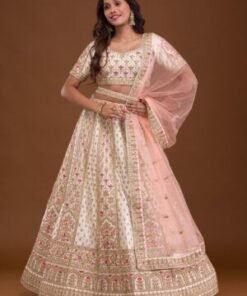
Lehenga Choli
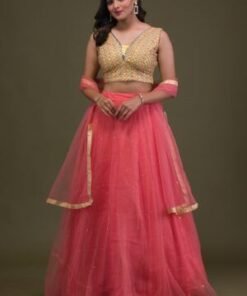
Lehenga Choli
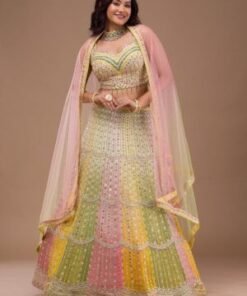
Lehenga Choli
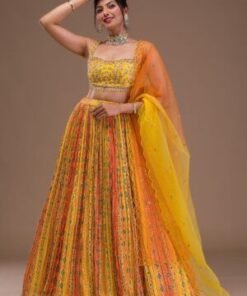
Lehenga Choli
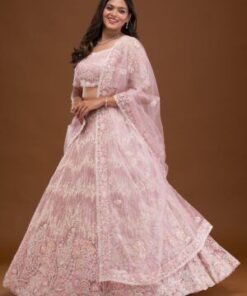
Lehenga Choli
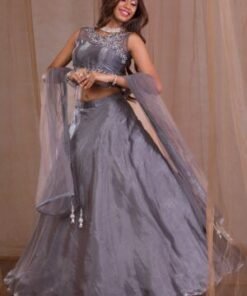
Lehenga Choli
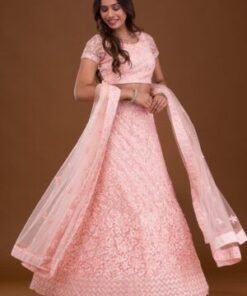
Lehenga Choli
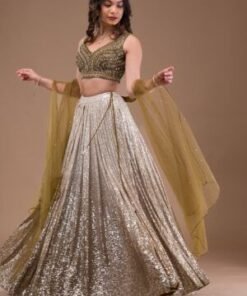
Lehenga Choli
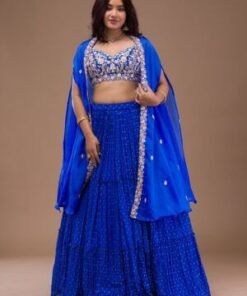
Lehenga Choli
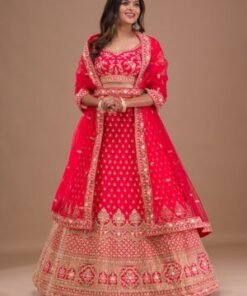
Lehenga Choli
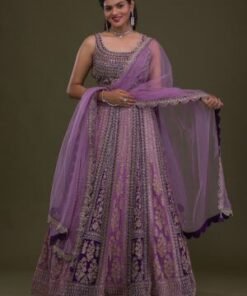
Lehenga Choli