The salwar suit earns its place as the most-worn piece in Indian ethnic wardrobes because it solves a problem sarees and lehengas don’t: it’s genuinely comfortable for a full day of activity while still looking finished. This collection reflects that range, from cotton daily-wear pieces to zariwork and threadwork designs built for festive occasions.
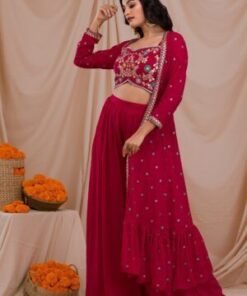
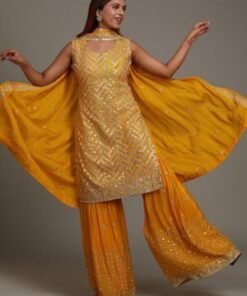
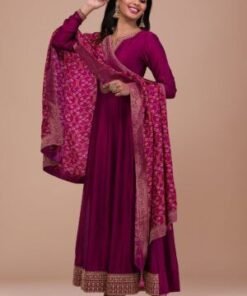
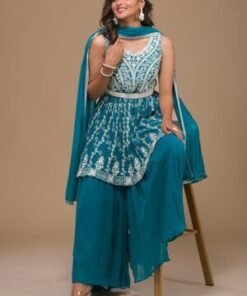
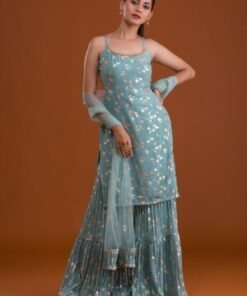
Silhouette is the first decision to make, and it changes the whole character of the outfit. The Anarkali suit, with its fitted bodice flaring into a long, flowing skirt-like bottom, suits formal and festive settings and photographs particularly well in motion. The sharara suit pairs a shorter kurta with wide, flared bottoms — a strong choice for sangeet or reception functions where you want ease of movement without sacrificing drama. The straight or churidar-fit salwar suit is the most versatile of the three, working equally well for office wear, family functions, or everyday festive dressing, and is generally the easiest silhouette for first-time buyers to get right.
Fabric choice should follow occasion and climate rather than just appearance. Georgette suits drape well and suit warmer weather or all-day events, since the fabric breathes and moves without clinging. Art silk and Banarasi-style suits carry more structure and richness, better suited to shorter festive occasions where a heavier fabric won’t cause discomfort. Semi crepe sits comfortably in between — a reliable choice if you’re unsure which fabric suits your event.
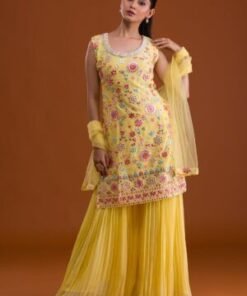
The embellishment work — zariwork, gotapatti, threadwork, cutdana — largely determines whether a suit reads as daily wear or festive wear, regardless of silhouette. A plain or lightly printed georgette suit works for office or casual outings; the same silhouette in zariwork or gotapatti immediately becomes appropriate for a wedding function or festival. If you’re building out a wardrobe rather than shopping for one event, it’s worth picking up at least one suit from each end of that spectrum rather than several similar pieces.
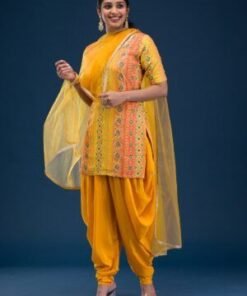
Fit works differently here than for a saree or lehenga, since the kurta, bottom, and dupatta are three separate pieces that need to work together. Kurta length is a matter of current styling preference — knee-length and below is the more traditional cut, while shorter lengths paired with palazzo or sharara bottoms lean more contemporary. Whichever length you choose, make sure the bottom’s fabric weight roughly matches the kurta’s, since a heavy embellished kurta over a very light bottom (or the reverse) tends to look unbalanced in person even when it looks fine in photos.
Care depends heavily on fabric. Cotton and cotton-blend suits can generally be machine washed on a gentle cycle, though embellished pieces should still be hand washed or dry cleaned to protect the workmanship. Georgette, art silk, and Banarasi suits should be dry cleaned to preserve both colour and embellishment. Store dupattas separately, folded rather than hung, to prevent stretching at the shoulders over time.
This collection is arranged to make that occasion-by-occasion shopping easier — browse by silhouette if you already know whether you want an Anarkali, sharara, or straight-fit suit, or by fabric if you’re shopping around a specific event date and climate. Every piece here is chosen for the same standard: a suit that looks as considered in person, across a full day of wear, as it does in the product photo.
Salwar Suit
Salwar Suit
Salwar Suit
Salwar Suit
Salwar Suit
Salwar Suit
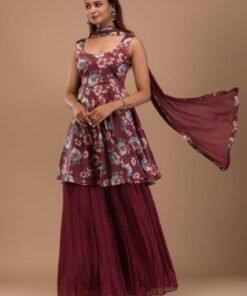
Salwar Suit
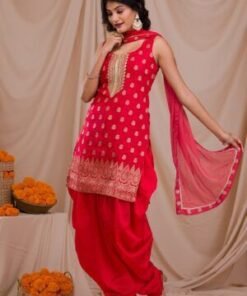
Salwar Suit
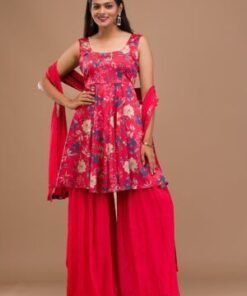
Salwar Suit
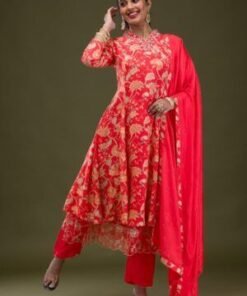
Salwar Suit