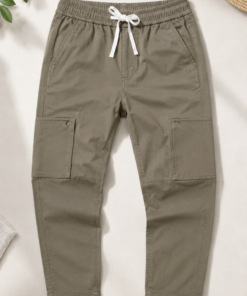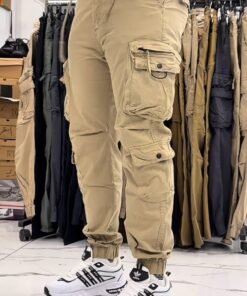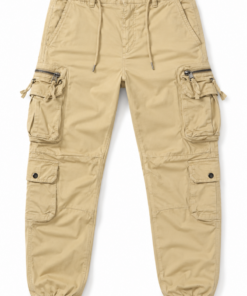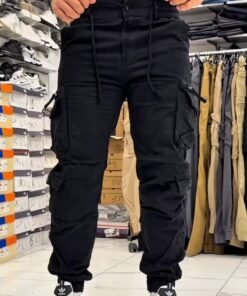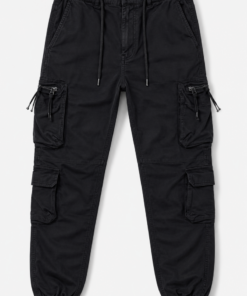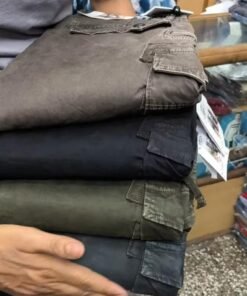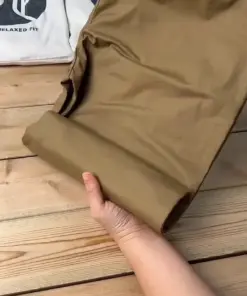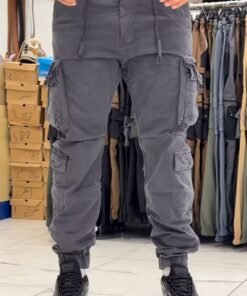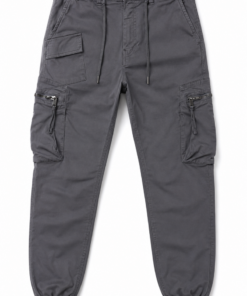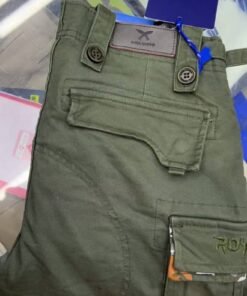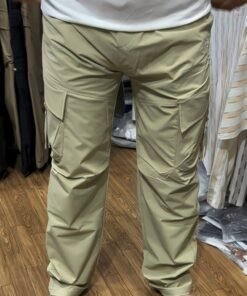
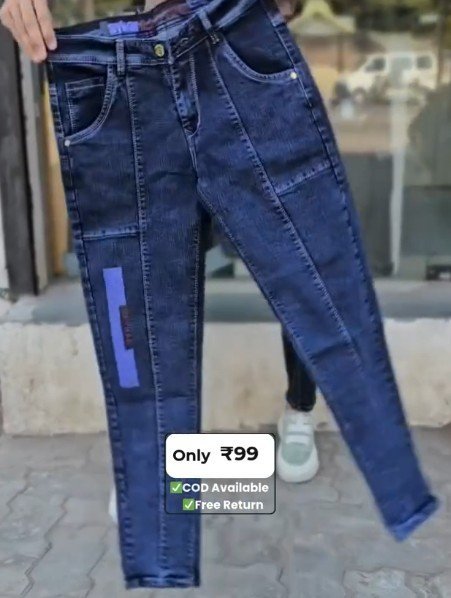
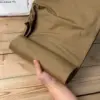
For shoppers searching for the fundamentals — premium denim jeans, quality men’s jeans, or durable everyday denim — this pair is built around the core standard that actually separates a genuinely good pair of jeans from a mediocre one: fabric weight, construction quality, and a fit that holds up to repeated daily wear without losing its shape.
Denim remains one of the most consistently searched and consistently purchased categories in men’s fashion for a simple reason: a well-made pair of jeans is one of the few garments that works across nearly every casual and smart-casual context, from everyday errands to relaxed social occasions to travel, without requiring the styling consideration that more specific pieces like cargo trousers or formal pants demand. For shoppers specifically searching for versatile denim, everyday jeans, or a reliable pair of quality jeans to build a casual wardrobe around, this category is typically the starting point.
“Premium quality” as a positioning signals a level of fabric and construction above the thinnest, most disposable denim commonly found at the lowest price points. Genuinely premium denim carries more weight and structure, holds its shape better through repeated washing and wearing, and typically features more considered stitching and finishing at stress points like pocket edges, the waistband, and the inseam — details that determine whether a pair of jeans lasts through years of regular wear or begins showing visible wear and tear within months. For shoppers comparing “premium denim” against budget alternatives, these construction details are worth checking closely, since pricing alone doesn’t always reflect genuine fabric and construction quality.
Fit is the single most important variable in how a pair of jeans actually performs day to day, and it’s worth being deliberate about rather than defaulting to whatever fit is most heavily marketed. A well-fitting pair of jeans should sit comfortably at the waist without a structured belt doing all the work, move freely through the hip and thigh, and taper cleanly without excess bunching at the ankle — the same fundamentals that apply whether you’re searching for slim jeans, straight-fit jeans, or relaxed denim, since fit quality matters more than which specific silhouette you choose.
Denim wash and colour also affect both styling versatility and how visibly the jeans age over time. Dark, minimally distressed washes remain the most versatile and most recommended choice for shoppers who want jeans that work across the widest range of casual and smart-casual contexts, since darker denim reads as slightly more polished than lighter or heavily faded washes and shows general wear less visibly over time. This is consistently the guidance given to anyone asking what colour jeans to buy first when building out a denim collection from scratch.
Because jeans see more repeated, high-friction wear than most other garments — sitting, walking, bending, regular washing — construction quality at stress points matters disproportionately. Reinforced stitching at the pocket corners, a properly finished waistband, and quality thread that resists fraying are the details that genuinely determine longevity, far more than surface-level styling details like distressing or wash pattern, which are purely cosmetic.
Styling premium denim is intentionally straightforward, which is part of its enduring appeal: a well-fitting pair of jeans pairs with nearly any casual top, from plain t-shirts to button-down shirts to knitwear, and works with the widest range of footwear of any trouser category, from trainers to boots to loafers for smart-casual dressing.
Fit sizing for denim should always be checked against a pair of jeans you already own and find comfortable, since sizing conventions vary more across denim brands and cuts than almost any other garment category — waist measurements in particular are notoriously inconsistent between brands.
Care matters more for premium denim than shoppers often realise: washing inside-out on a cold, gentle cycle and air-drying rather than machine-drying will meaningfully extend both the fit and the colour depth of a quality pair of jeans over years of regular wear, rather than the months a poorly cared-for pair typically lasts.
Whether you’re replacing a worn-out everyday pair, searching specifically for premium denim construction, or simply want one dependable, versatile pair of jeans to build a casual wardrobe around, this piece is built around the fundamentals that actually matter: fabric weight, construction quality, and a fit that holds up to real, repeated wear.
Denim’s enduring popularity as a search and purchase category also comes down to its unmatched cost-per-wear economics when the quality is genuinely there. A well-made pair of jeans, cared for properly, can reasonably be worn hundreds of times across several years — a return on investment that few other garments can match, since most casualwear sees far more limited rotation before wearing out or falling out of favour. This is part of why “buy less, buy better” advice in menswear so consistently points shoppers toward investing in quality denim early in building out a wardrobe.
It’s also worth understanding how denim weight affects year-round wearability. Lighter-weight denim (often used in warmer-climate or summer-focused jeans) trades some structure and durability for breathability and comfort in heat, while heavier denim offers superior durability and a more substantial, premium feel at some cost to warm-weather comfort. For shoppers in predominantly warm or humid climates, checking denim weight specifically — rather than assuming all “premium” jeans share the same fabric weight — will meaningfully affect how comfortable this pair feels through regular daily wear across the full year.
| Size | 28, 30, 32, 34, 36, 38 |
|---|
Related products